TERA is an application platform based on blockchain and its cryptocurrency that is characterised by fast and efficient transactions and the ability to work as a basis for DApps. It focuses on speed, decentralization, and low transaction costs to ensure that blockchain technology is adopted in all its uses. Here’s a detailed history of TERA:
Launch Date
The TERA project was started in October 2018 by a developer with the pseudonym of Sergei Popov also a developer of IOTA.
Primary Objective: The main vision of TERA is to develop a blockchain that has very high TPS and is fully decentralized at the same time. This, according to TERA, is to be realized through certain technological choices and optimizations.
Consensus Mechanism
TERA itself employs an in-house developed consensus mechanism known as ‘PoW2’ or proof of work number two. Which is an evolution of the original proof of work consensus. PoW2 is optimised to consume less energy as compared to other PoW algorithms and also, it supports high throughput and low latency in terms of transaction speed. This consensus mechanism makes sure the network is safe and decentralized without the use of complex mathematical computation as is the case with ‘mining’.
High Throughput and Scalability: TERA has a high transaction per second capacity and that is one of its most notable features. The platform is capable of reaching more than 1,000 TPS, and its theoretical maximum is up to 30,000 TPS. This high throughput is achieved by tuning the base code and using lightweight transactions that do not consume resources.
No Transaction Fees: TERA is expected to work without any transaction fees which are a common feature with other blockchain-based platforms that usually charge their users some amount of fee for each single transaction. Through the exclusion of the transaction fees, TERA seeks to promote mass adoption and usage of blockchain technology especially in micro-transactions where fees may act as a hindrance.
Smart Contracts: As mentioned above, TERA is compatible with the usage of JavaScript for smart contract development. This can be considered an advantage since many developers know this language. The smart contracts of the platform are flexible to write and deploy so that the developers can design decentralized applications known as DApps to operate based on the TERA blockchain.
Efficient Blockchain Design
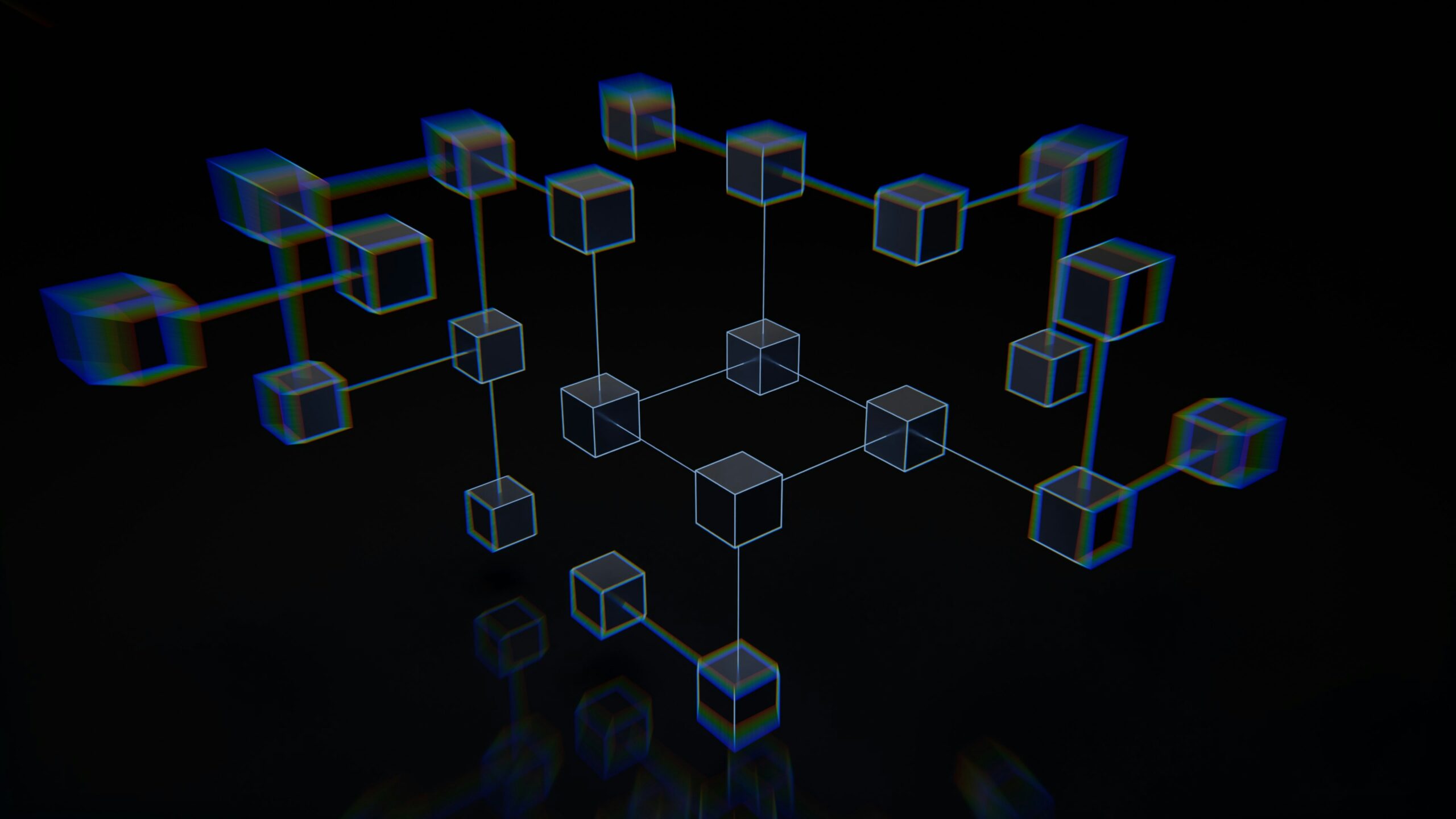
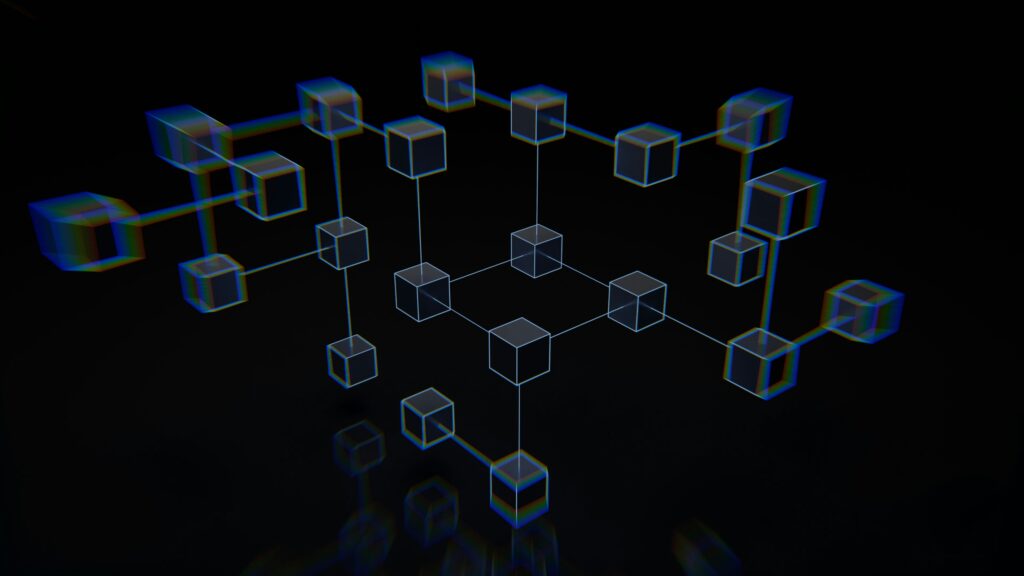
TERA’s blockchain is designed with simplicity and cost-effectiveness as its key consideration. It employs the use of a “block-lattice” structure that facilitates parallel processing of transactions. This design minimizes delay and improves the general performance of the network in terms of size or capacity, to cater for large traffic.
Decentralized Development
Peculiarities of TERA’s development include the fact that it is an open-source project, which implies that the platform is built by several developers who work on the project’s code. The fact that it was developed through a decentralised process is consistent with the objectives of the project as they are to be open and participative.
Community Engagement
The TERA project also has an ongoing lively community of users, developers and fans who contribute by discussing the platform and sharing their opinions. In this project, the team that is responsible for the implementation of the project is always in touch with the community through social media, forums, and developer meetings.
Exchange Listings and Market Presence
After its launch, TERA has been featured in several exchanges through which it can be bought, sold or traded like other cryptocurrencies. Such listings have enabled the expansion of the platform’s reach and made it more available to a wider pool of investors and traders.
Challenges
The following are some of the challenges that affect TERA; Competitors in the high-performance blockchain platforms and fluctuations in the market. and drawing developers and users to the platform to create and use projects on the platform. Also, TERA is a relatively young project, and it needs to demonstrate its efficiency and security in the constantly growing and developing field of blockchain.
Market position
Nevertheless, TERA has its place in the blockchain market as a fast and free platform with an emphasis on speed and growth. The platform benefits from the set of features that distinguish it and the approach to development based on the actions of the community, which has allowed it to remain relevant among the enthusiasts and developers of blockchains.
Potential Developments
Currently, the TERA development team and the community are investigating new features and improvements for the open platform that will increase the performance, security and usability of the platform. The future improvements may embrace more fine-tuning of the consensus algorithm, new tools and resources for developers, as well as greater support for dApps.
You may also find these articles helpful
Everything you need to know about Nimiq